
 FUN WITH FRACTIONS
For this week's blog, I decided to focus on fractions because its this weeks focus in class. In addition, when I was in school I never mastered the procedural and conceptual aspects of fractions. Therefore, I feel this is a good opportunity for me to review fractions and stumble upon new strategies and concepts that will help me get a better understanding of fractions.
If I were introducing and teaching the third grade about fractions, I would begin the lesson with an Essential Question such as What are Fractions? Beginning the lesson with an essential question will allow students to recall information they may know or have previously learned. By doing so will give me a better idea of what needs to be taught; what strategies and concepts I will need to use in order to teach the topic. Moreover, I will get a better understanding of how to scaffold the topic, so students can achieve mastery. For those students that do not receive mastery, I will have to alter my lessons to accommodate those students needs.
As stated above I will begin the lesson with an Essential Question: What are Fractions?
A fraction represents the part of a whole.
I would extend the discussion by utilizing this website as practice.
Next, I would ask students to recall information they previously learned. For example, what are numerator and denominator? Where are they placed in a fraction?
Then, the students and I would have a discussion of what a fraction looks like. At this point, I would turn the lesson from conceptual to procedural using actual pizza pies.
How many parts of a whole pizza:
• the top number (the numerator) says how many parts we have.
• the bottom number (the denominator) says how many equal parts the whole is divided into
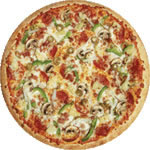
Using actual pizza pies I would have the students set up fractions. I would make 10 groups with two students in each group and ask who would like pizza. As I am distributing pizza to the groups, the students and I would create fractions.
Next, I would discuss fractions on a number line and would provide my students with a visual of fractions marked on a number line.

Exit Ticket
I would provide my students with paper and ask them to work with their accountability partners to make as many fractions out of the pizza pies that they can. They will need to make the fraction, make a visual of the fraction, and conclude with placing the fraction on the number line.
Once the students complete the assignment successfully, they will be able to eat a slice of pie!
Reflection:
For some students at this age, the actual conceptual and procedural aspect of fractions can be difficult. However, by breaking the lesson down, recalling previous knowledge, scaffolding off that knowledge, and utilizing realistic visuals such as the pizza pie will engage the students and give students a better understanding of the purpose of fractions. Also, having the students work in groups will allow the students to learn from each other. Concluding with an exit ticket using the pizza pie by providing a shaded visual of a fraction, as well as placing the fraction on a number line will provide me with data of which students mastered fractions and who I need to continue working within small group instruction.

No comments:
Post a Comment